The Reason You Shouldn't Think About Improving Your Foggy Glass Repair
Foggy Glass Repair: Understanding Causes, Solutions, and Maintenance
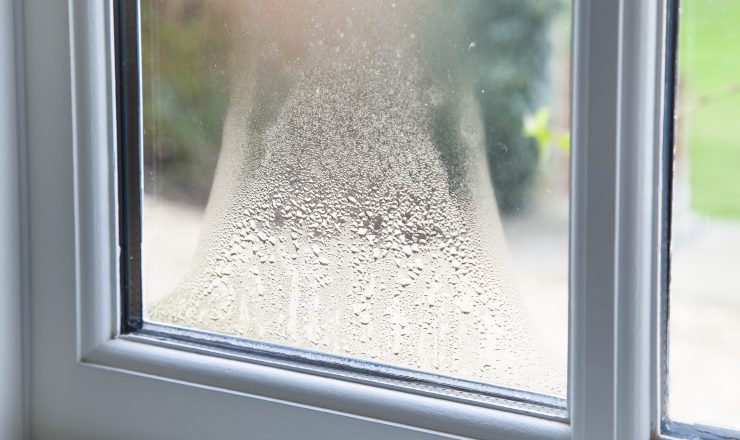
Foggy glass can be an aggravating problem, whether it's in your automobile, home windows, or shower doors. This phenomenon is primarily caused by moisture trapped between two panes of glass, resulting in condensation. Gradually, repairmywindowsanddoors lessens visual appeals however can also impair presence in cars and cause uncomfortable living environments. This short article will use thorough insights into the causes of foggy glass, prospective repair approaches, upkeep ideas, and some often asked concerns.
Comprehending the Causes of Foggy Glass
Foggy glass typically occurs in double-paned windows or insulated glass units (IGUs). Understanding the source is necessary in figuring out the ideal repairs. The main factors to foggy glass consist of:
- Seal Failure: Over time, the seals that hold the 2 panes of glass together can degrade, enabling moist air to go into and form condensation.
- Temperature Fluctuations: Changes in temperature level can cause condensation, specifically if the inner pane is significantly cooler than the external pane.
- Humidity: High humidity levels can increase the possibility of condensation, especially in areas like bathrooms and cooking areas.
- Poor Installation: If windows are not set up correctly, it can compromise the integrity of the seals, resulting in fogging.
- Aging: As windows age, the materials can deteriorate, contributing to seal failure and fogging.
Table 1: Common Causes of Foggy Glass
Cause
Description
Seal Failure
Destruction of seals leading to moisture ingress.
Temperature level Fluctuations
Condensation due to temperature level disparities.
Humidity
Increased moisture levels adding to fogging.
Poor Installation
Incorrect setup compromising seal integrity.
Aging
Natural destruction of products over time.
Repairing Foggy Glass
Repair methods for foggy glass can vary based upon the seriousness of the issue and the kind of glass included. Here are some common repair approaches:
1. Defogging Services
- Professional services utilize specialized tools to eliminate the fog by drilling small holes in the window frame and utilizing a vacuum to extract moisture.
2. Replacement of Sealed Units
- If the seals are jeopardized, replacing the whole insulated glass system is typically the most effective service.
3. DIY Solutions
- Some property owners may attempt DIY methods, such as:
- Using a hairdryer on a low setting to eliminate minor condensation.
- Using anti-fog solutions offered in hardware stores.
- Try out desiccant packs to take in moisture.
4. Window Films
- Using window movies can help decrease condensation by developing an additional barrier versus humidity.
5. Ventilation Improvements
- Enhancing ventilation in locations susceptible to high humidity (like kitchen areas and restrooms) can considerably decrease fogging.
Table 2: Repair Options for Foggy Glass
Repair Method
Benefits
Downsides
Defogging Services
Efficient and specific
Can be costly
Replacement of Units
Long-lasting solution
Requires professional installation
Do it yourself Solutions
Budget-friendly, available
Might not provide irreversible results
Window Films
Decreases condensation
Can obstruct views
Ventilation Improvements
Avoids future fogging
May need considerable modifications
Upkeep Tips to Prevent Foggy Glass
Preventative procedures can considerably lower the chances of encountering foggy glass. Below are some upkeep suggestions to consider:
- Regular Inspections: Periodically inspect your doors and windows for signs of wear and tear or seal degradation.
- Preserve Humidity Levels: Use dehumidifiers in humid spaces and motivate great airflow.
- Clean Thoroughly: Use mild glass cleaners to keep panes tidy, which can help in reducing the perceived fog.
- Sealant Maintenance: Regularly check and replace caulking or sealants around windows.
- Purchase Quality Windows: If windows are old or poorly built, consider purchasing top quality double- or triple-paned windows with energy-efficient coverings.
Foggy glass may be troublesome, however understanding its causes, repair options, and maintenance practices can empower homeowners and automobile owners to tackle this concern successfully. Routine care and timely repairs can make sure that glass remains clear and functional, supplying both aesthetic charm and safety.
FAQs
Q1: How can I tell if my window seal is broken?
A: Look for indications of condensation in between the panes of glass, blurred views, or sudden temperature modifications inside your home.
Q2: Can I repair foggy glass myself?
A: While some small fogging can be resolved with DIY approaches, substantial fogging often needs professional support for efficient repair.
Q3: Is foggy glass covered by property owners' insurance?
A: Coverage differs by policy; it's advisable to contact your insurance coverage service provider to understand your specific protection relating to window repair.
Q4: Why do dual-pane windows fog up more than single-pane windows?
A: Dual-pane windows are developed with airspace between the panes for insulation; if the seals fail, it traps moisture causing fogging, unlike single-pane windows which do not have this airspace.
Q5: What should I do if my vehicle windows are misting up?
A: Use your car's defroster settings, make sure proper ventilation, and consider using anti-fogging sprays developed for vehicle use.
By being informed about foggy glass problems and solutions, house owners and car owners can maintain the clarity and functionality of their glass surface areas, enhancing both convenience and safety.